Journal
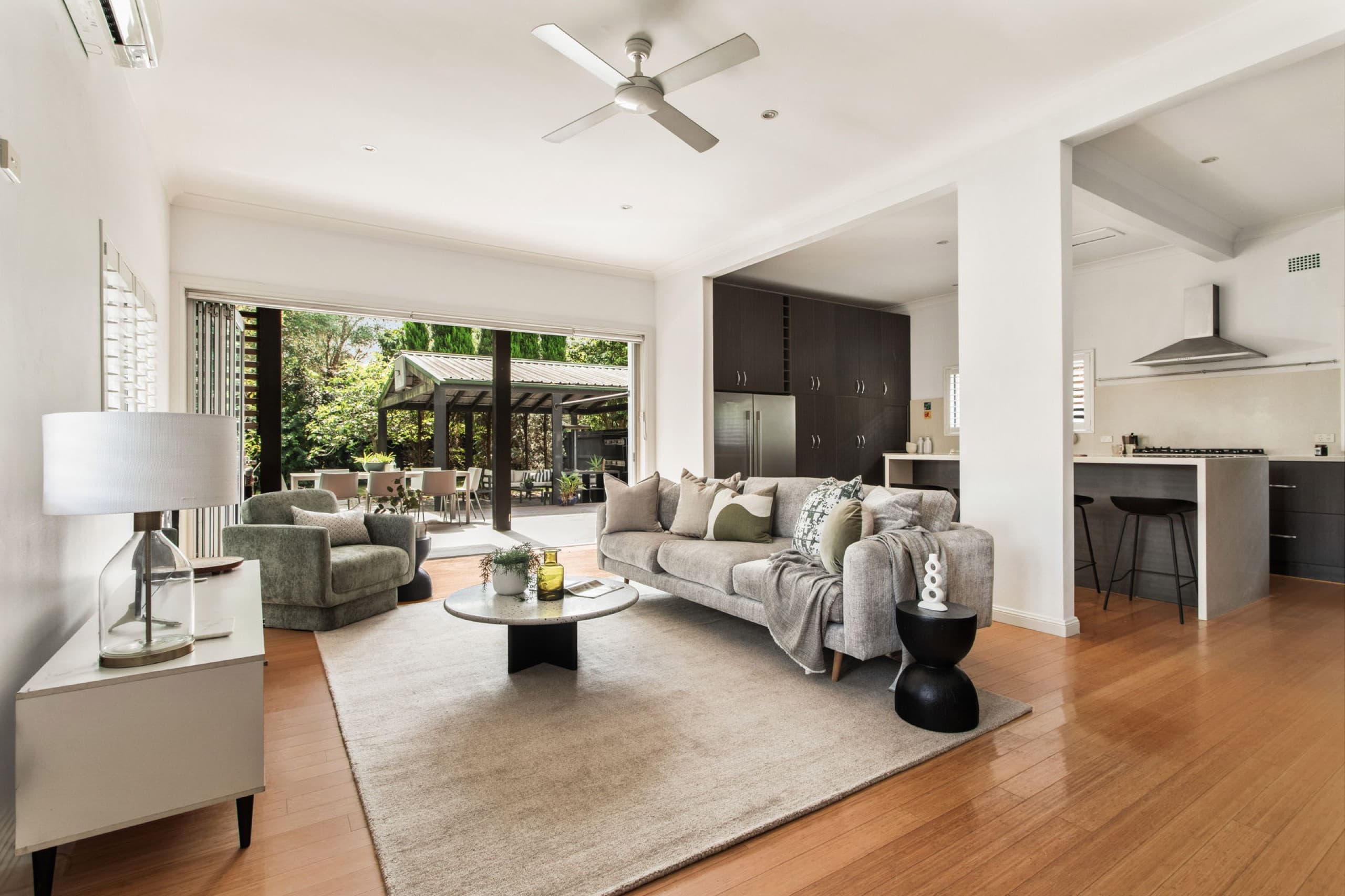
Virtual staging or real staging: which one sells the home.
For vendors
5 May 2026
7 minutes of reading
Two different things with similar names
Virtual staging means adding furniture to a photograph digitally. Real staging means putting actual furniture in the actual home. Both end up as images in a listing, which is why they get compared, but they answer different questions and they are honest about different things.
If you are weighing virtual staging against the real thing for your sale, here is a fair account of what each does well, where each falls down, and which tends to suit an inner-east campaign.
What virtual staging is good at
Virtual staging is cheap and fast. A photographer or an online service can drop furniture into an empty room for a small fee per image, often overnight. For a listing on a tight budget, or for a quick test of how a room might look furnished, it does a job.
It is also flexible. You can show the same room as a bedroom or a study, or try two palettes, without moving a thing. For some property types, particularly cheaper or investor-grade listings where buyers expect it, that is enough.
Where virtual staging falls down
The catch arrives at the inspection. Virtually staged photos show a home that does not exist, so the buyer who liked the images walks into empty rooms and feels the gap. Empty rooms also photograph their flaws honestly and show their true scale, which the rendered image quietly flattered.
There is a trust cost too. Agents are required to disclose virtually staged images as such, and buyers have learned to discount them. A render that looks too good can read as a render, which works against the listing rather than for it.
Which suits the brief
Virtual tends to suit tight budgets, quick listings, and lower-priced or investor-grade properties where buyers expect to furnish from scratch and treat the photos as a sketch.
It also suits showing optional uses for a room, or testing a look before committing to a physical stage.
Real tends to suit homes where the inspection is the moment of decision, which is most owner-occupier sales in the inner-east. A buyer who feels at home in the rooms makes a stronger offer than one who saw a render.
It also suits properties where scale and light are selling points. Real furniture proves the room; a render only suggests it.
The honest test is what happens when the buyer arrives. Virtual staging sells the photograph. Real staging sells the home the buyer is standing in. For a sale that turns on the open inspection, the second is the one that holds up.
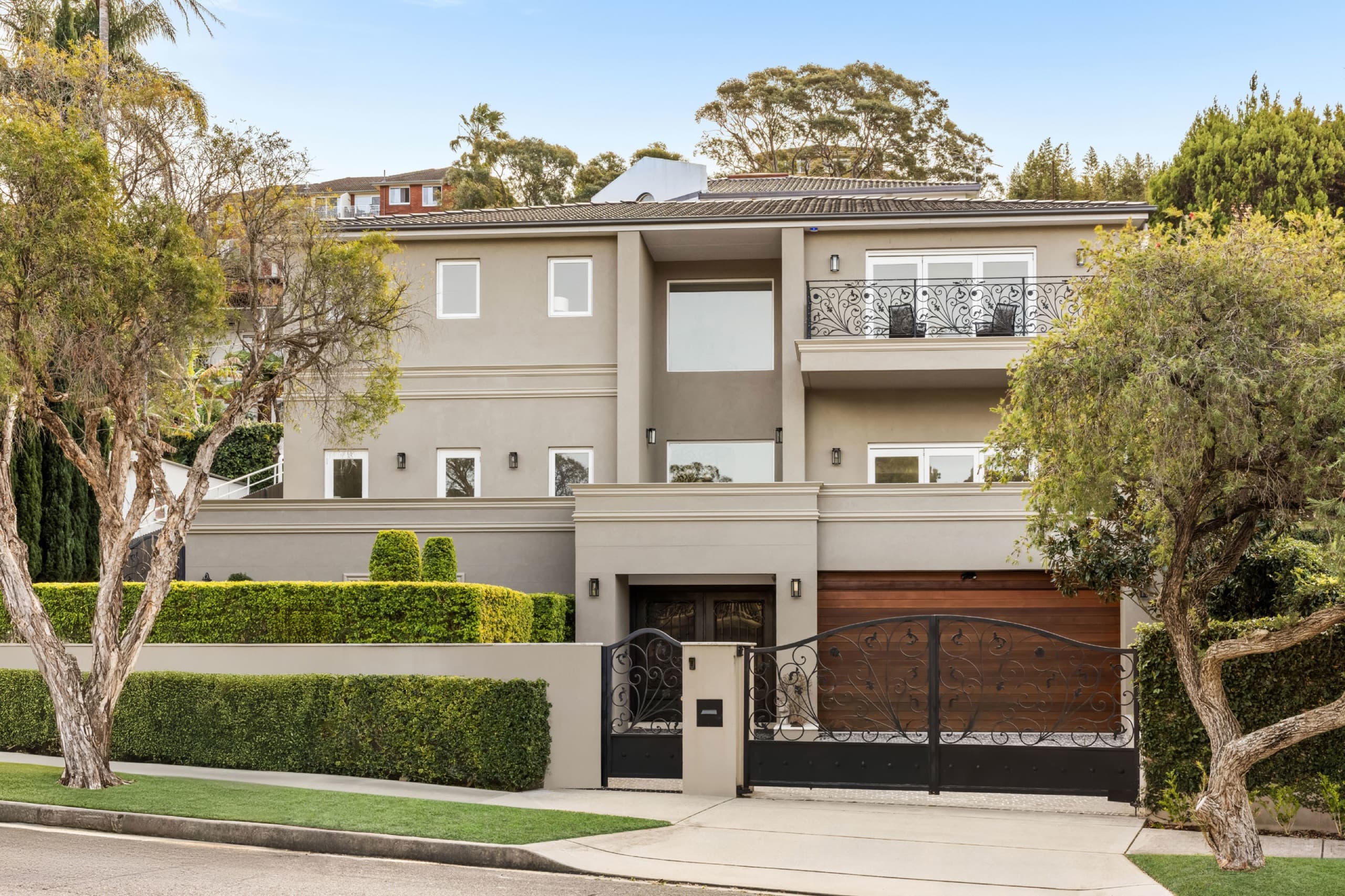
Real furniture in a real room. What the buyer sees online is what they walk into.
What we do, and why
Dekore stages homes physically. We furnish and style the actual rooms so the photographs and the inspection tell the same story, because in the inner-east the campaign is usually won or lost when the buyer walks through the door, not when they scroll the listing.
That said, we will not talk you into more than the home needs. If a property genuinely suits a lighter or digital approach, we will say so. Send us the home and your budget, and we will give you an honest read on whether real staging earns its place here, within 24 hours.
Read more
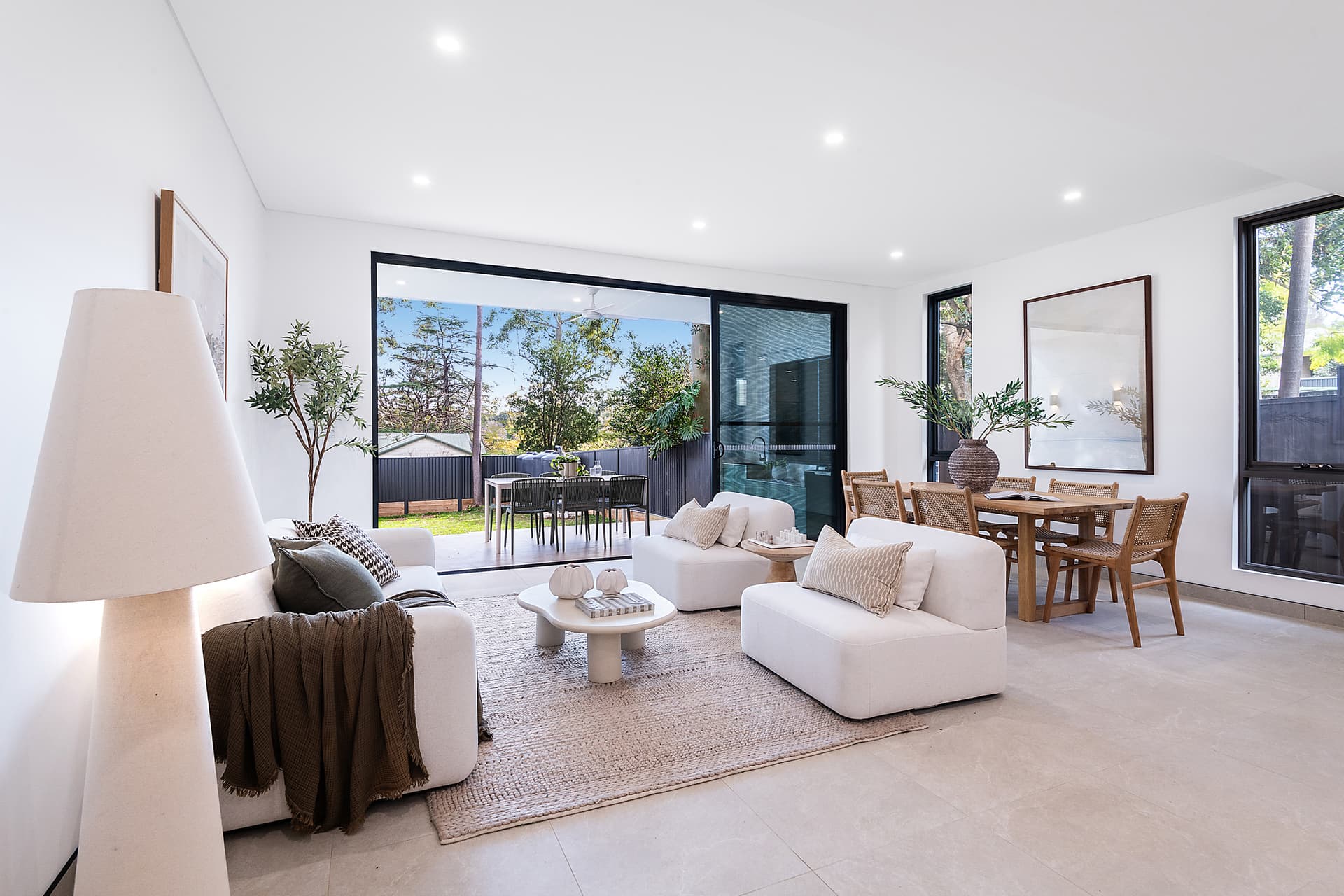
How much does home staging cost in Melbourne, honestly.
2 June 2026
8 minutes of reading
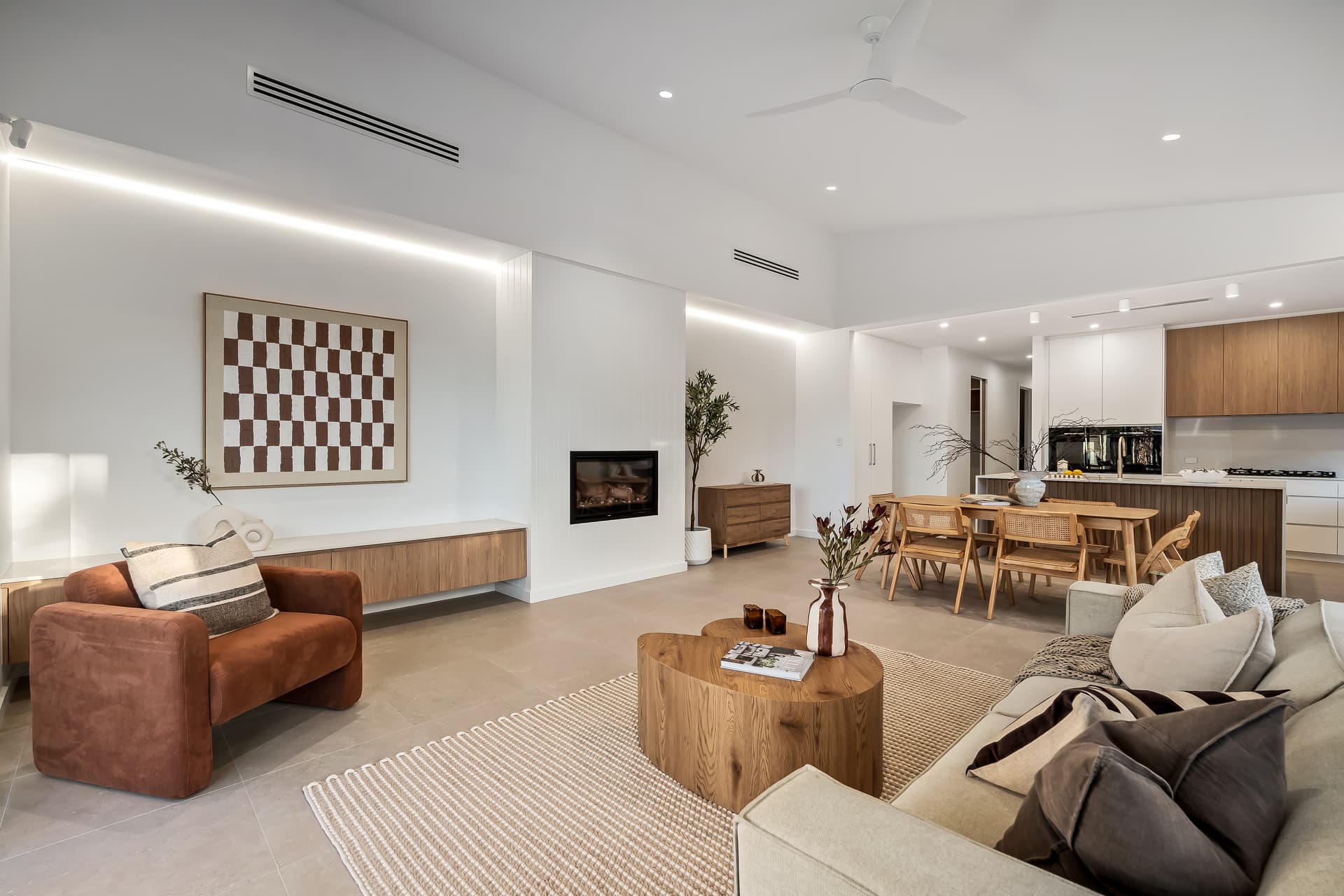
How to prepare your home for staging.
26 May 2026
5 minutes of reading
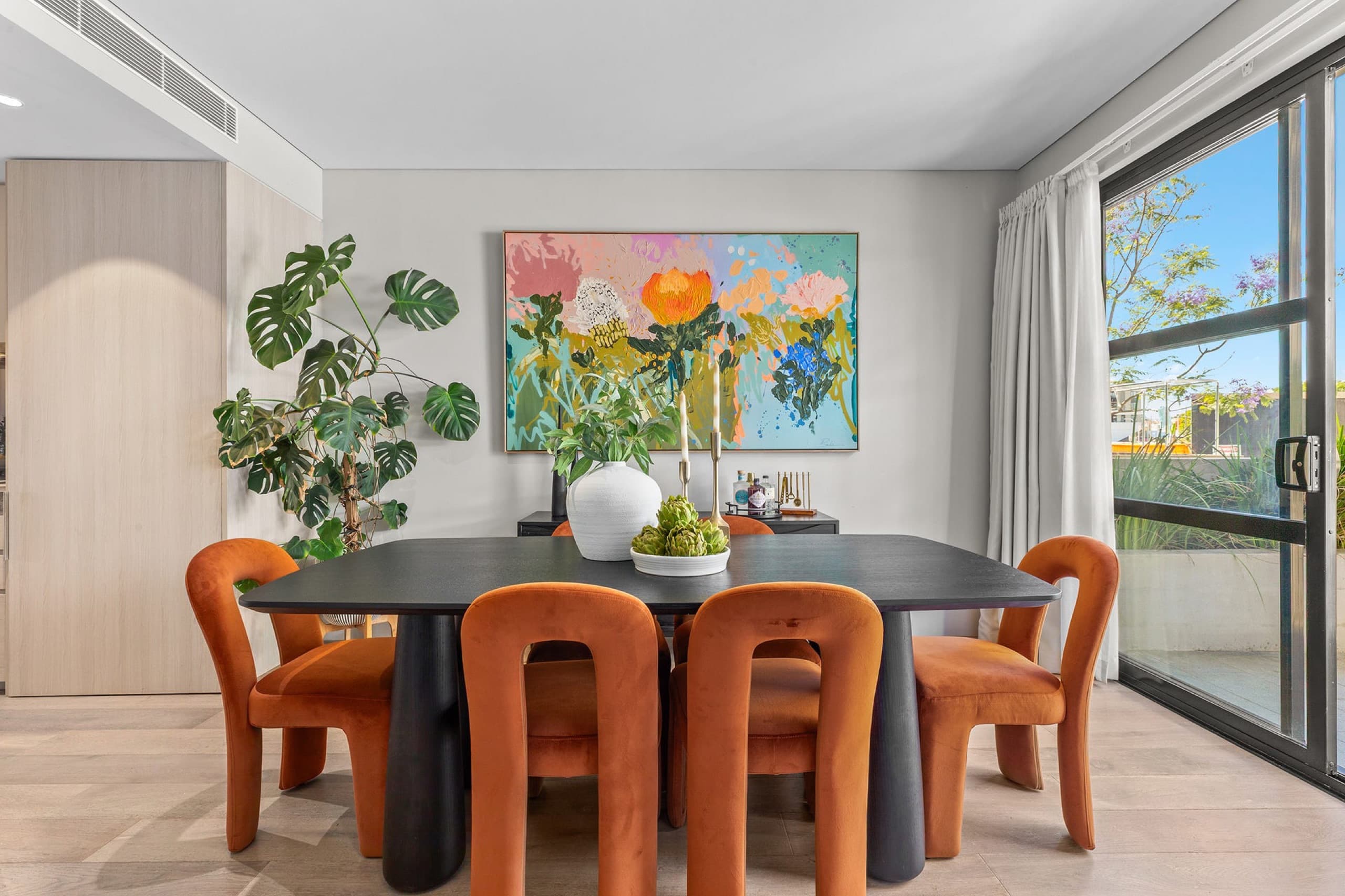
Partial staging or full staging: which one a home actually needs.
19 May 2026
6 minutes of reading
How to stage your home for sale.
28 May 2026
10 minutes of reading
Have a home coming to the market?
Tell us about the home. A quote will be with you within 24 hours.
Request a quote